Electric meter buzzing: Who to call and when to leave
Quick answer
If an electric meter seems to be buzzing, do not touch the meter or enclosure, open a cover, break a seal, or operate nearby service equipment. Move away and call 911 from outside for smoke, flame, or active arcing. Otherwise, call the serving utility first to identify its equipment and responsibility; use a licensed electrician when the utility identifies customer-owned equipment or clears its meter.
Common questions
- Is it normal for an electric meter to buzz?
- Sound alone cannot establish that a meter is operating normally or identify the component making it. Report a new, changing, loud, or unexplained sound to the serving utility without touching or approaching the equipment.
- Who should I call about an electric meter buzzing?
- Start with the serving utility when the sound appears to come from the sealed meter, meter enclosure, or a meter-mounted adapter. The utility can identify its equipment and local process. If it assigns the problem to customer-owned equipment, contact a licensed electrician or the adapter installer and manufacturer as directed.
- Can I open the meter box to find the buzzing?
- No. Do not open covers, break a seal, pull the meter, touch the enclosure, operate a nearby service disconnect, or take electrical measurements. Utility-controlled and line-side equipment may remain energized regardless of the indoor main breaker position.
Source note: Reviewed October 19, 2026 against current Unitil and FirstEnergy responsibility guidance, PG&E meter-socket-adapter procedures, ESFI warning-sign guidance, and U.S. Fire Administration fire-safety guidance. Equipment ownership and response procedures vary by utility and jurisdiction.
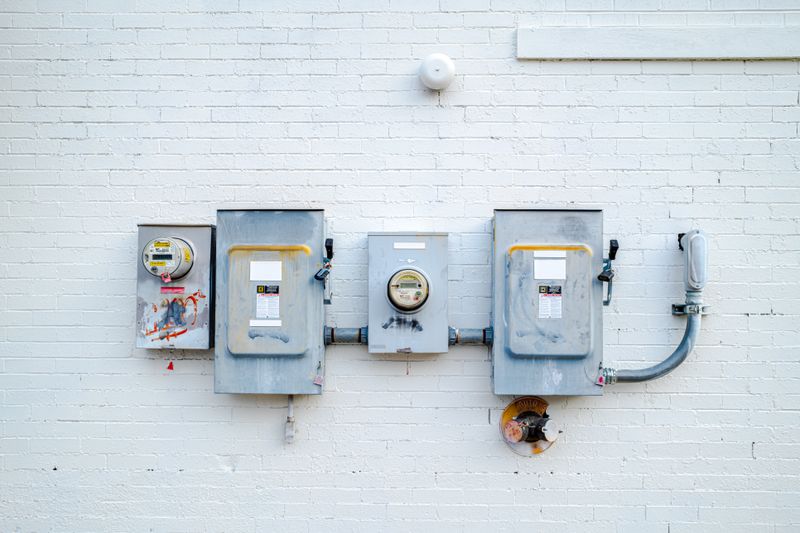
If your electric meter is buzzing, keep your distance and make a call—not a diagnosis. Do not touch the meter or its enclosure, listen against it, open a cover, break a seal, or operate nearby service equipment. Sound can travel through metal, conduit, and walls, so a noise that seems to come from the meter may originate in the socket, an adapter, adjacent service equipment, or an indoor panel.
If there is smoke, flame, or active arcing, get everyone away and call 911 from outside. For a buzz without those signs, call the serving electric utility first and describe where the sound seems to be. The utility can identify what it owns, decide whether its equipment needs inspection, and explain the local handoff to an electrician.
Electric meter buzzing: fast decision table
| What you notice from a safe location | What to do |
|---|---|
| Smoke, flame, active arcing, or a fire alarm | Leave immediately, stay out, and call 911 from outside. Tell the dispatcher electrical service equipment may be involved. |
| Strong burning odor, visible scorching, melting, repeated sparks, unusual heat, or rapidly worsening sound | Move away without touching or testing anything. Call the utility’s emergency number; call 911 when there is fire or immediate danger. |
| Buzzing with flickering, bright-and-dim lights, failed 240-volt equipment, or partial power | Stay clear and call the utility promptly. These symptoms may involve the service supply and require utility/electrician coordination. |
| Wet, storm-damaged, loose, tilted, or pulled-away meter equipment | Do not approach or operate a disconnect. Call the utility from a safe location and follow its emergency instructions. |
| New buzzing with no visible emergency sign | Do not investigate at the enclosure. Call the utility, report the symptom, and ask whether it will inspect or direct you to a licensed electrician. |
| Sound clearly comes from the indoor breaker panel instead | Follow the separate electrical panel buzzing safety guide, which owns indoor panel-noise triage. |
When odor is the leading symptom, use the burning-smell electrical-panel guide after moving away. Do not delay an emergency call to compare symptoms online.
Do not cross the meter safety boundary
The useful homeowner or property-manager task is to report what can be observed without approaching the equipment. Do not:
- Touch the meter glass, enclosure, conduit, cables, or wall to check for vibration or heat
- Put your ear, phone, stethoscope, thermometer, or tester against the equipment
- Open a meter enclosure, dead front, service cabinet, or nearby electrical panel
- Cut or break a utility seal, pull a meter, or loosen an adapter
- Operate a service disconnect, main breaker, or transfer control to see whether the sound changes
- Turn large loads on or off to reproduce the noise
- Use a multimeter, noncontact voltage tester, thermal camera, or clamp meter as a DIY diagnosis
Turning off an indoor main breaker does not prove the meter socket or upstream conductors are de-energized. A sound that stops also does not prove the condition is safe.
FirstEnergy tells customers not to break an anti-tampering meter seal. PG&E’s current meter-socket-adapter process goes further for its territory: only PG&E may remove and reinsert a PG&E meter for an adapter installation. Those are utility-specific examples, but they show why the serving utility—not an online guide—must define access at your address.
The sound may not come from the sealed meter
“Meter box” is an imprecise phrase. From a safe distance, you may be looking at several components close together:
| Component | What it is | Normal handoff to confirm |
|---|---|---|
| Revenue meter | The sealed device that records electricity use | Start with the serving utility |
| Meter socket or base | The mounting and electrical connection behind the meter | Ownership varies; often utility coordination plus a licensed electrician |
| Enclosure or meter-main | A cabinet that may contain the socket, disconnecting means, or other service equipment | Utility and electrician responsibilities depend on the design and jurisdiction |
| Meter-socket adapter | A device between the meter and socket, sometimes used for solar, storage, EV charging, or backup power | Serving utility plus the approved installer or manufacturer |
| Adjacent service equipment | Disconnects, transfer equipment, surge devices, conduits, and service conductors near the meter | Utility or licensed electrician after the equipment is identified |
| Indoor electrical panel | The breaker or fuse equipment distributing power inside | Licensed electrician; use the panel-specific guide above |
Do not try to isolate these by listening closer. A recording made from an already-safe location may help, but never approach, remain near a hazard, or delay a call to capture audio.
Utility first or electrician first?
Call the utility first when the sound appears meter-side
Call the phone number on your bill or the utility’s official website—not a number supplied by an unsolicited caller. Say: “There is a new buzzing sound that appears to be at the electric meter or meter enclosure.” Then report any odor, flicker, partial outage, recent meter work, storm exposure, water, impact, solar/battery system, EV charger, or meter-mounted adapter.
Ask two direct questions:
- Do you want this reported as an electrical emergency or equipment inspection?
- Which equipment at this address is utility-owned, and what is the handoff if the issue is customer-owned?
Ownership is not universal. Unitil, for example, says it owns its electric meter while the customer owns the socket, weatherhead, service-entrance cable, and panel. FirstEnergy’s New Jersey smart-meter guidance directs property owners to a qualified electrical contractor for deteriorated customer equipment and has the utility safely replace and seal its meter afterward. Your utility may draw or administer the boundary differently.
Call a licensed electrician after the utility handoff
Contact a properly licensed electrical contractor when the utility identifies the socket, enclosure, service conductors, disconnect, or other customer-owned equipment as the likely scope—or when it checks and clears utility-owned equipment but the symptom remains. The contractor and utility may need to coordinate de-energization, meter handling, permits, inspection, and reconnection.
If a meter-socket adapter is present, also follow the exact product and utility process. PG&E directs maintenance and repair questions for customer-owned adapters to the adapter manufacturer or contractor while retaining control over meter removal. Do not assume another utility uses the same arrangement.
Tenants should take the emergency action conditions require, then notify the landlord or property manager. A landlord should not ask a tenant to approach the meter, test equipment, or reset anything.
What to report without investigating
Gather only information available from inside the home or another safe location:
- The time the sound began and whether it is continuous or intermittent
- Whether it changed on its own when normal household equipment happened to start or stop
- Any flicker, bright-and-dim pattern, partial outage, tripped breaker, failed appliance, odor, smoke, or sparks
- Recent utility meter work, adapter installation, electrical work, outage, storm, water exposure, or impact
- Whether the apparent source is outdoors at the meter, near adjacent equipment, or indoors at the panel
- The account and meter numbers from the bill or online account—do not approach the meter to read them
- A safe-distance photo or recording only when there is no smoke, fire, arcing, heat, water, or other reason to stay away
Flicker or partial-power details may also fit the loose-neutral warning pattern, but that page is for recognizing the service symptom—not performing a test.
What happens after the equipment is identified?
The utility may inspect or replace its meter, make the service safe, or direct you to an electrician. An electrician may then need to assess the customer-owned socket, enclosure, conductors, connections, disconnect, adapter interface, or adjacent equipment under the applicable utility and local rules. Buzzing alone does not establish that any one part has failed or must be replaced.
If replacement is actually recommended, the electrical meter box replacement cost guide explains how to separate socket-only work from mast, conductor, disconnect, panel, permit, and utility scope. If a storm moved the service attachment or mast, use the storm-damaged service mast guide for the correct utility/electrician sequence.
Useful next step
After the emergency or utility call, use the electrician handoff checklist to organize safe observations, ticket numbers, visible equipment labels, recent work, and questions for the contractor. Keep the meter area clear and follow the utility’s instructions until the responsible utility, electrician, fire department, or authority says the equipment can be used.
Sources and review basis
- Unitil: Service equipment responsibilities, accessed October 19, 2026
- FirstEnergy: Smart meter repair, accessed October 19, 2026
- FirstEnergy: Reading a load meter and anti-tampering seal guidance, accessed October 19, 2026
- PG&E: Meter socket adapters, accessed October 19, 2026
- Electrical Safety Foundation International: Home safety, accessed October 19, 2026
- U.S. Fire Administration: Learn about fire, accessed October 19, 2026

Amperage HQ Editorial Team
Independent trade-focused editorial team